Setting Up a New Laboratory: Complete Guide for Medical & Clinical Labs
Setting up a new medical or clinical laboratory requires strategic planning, regulatory compliance, proper infrastructure, and advanced technology implementation. Whether you are launching a diagnostic lab, pathology center, research facility, or specialty testing laboratory, having a structured setup plan is essential for long-term success.
This guide explains everything you need to know about starting a medical laboratory, including licensing, laboratory design, equipment selection, staffing, Laboratory Information System (LIS) implementation, and quality assurance.
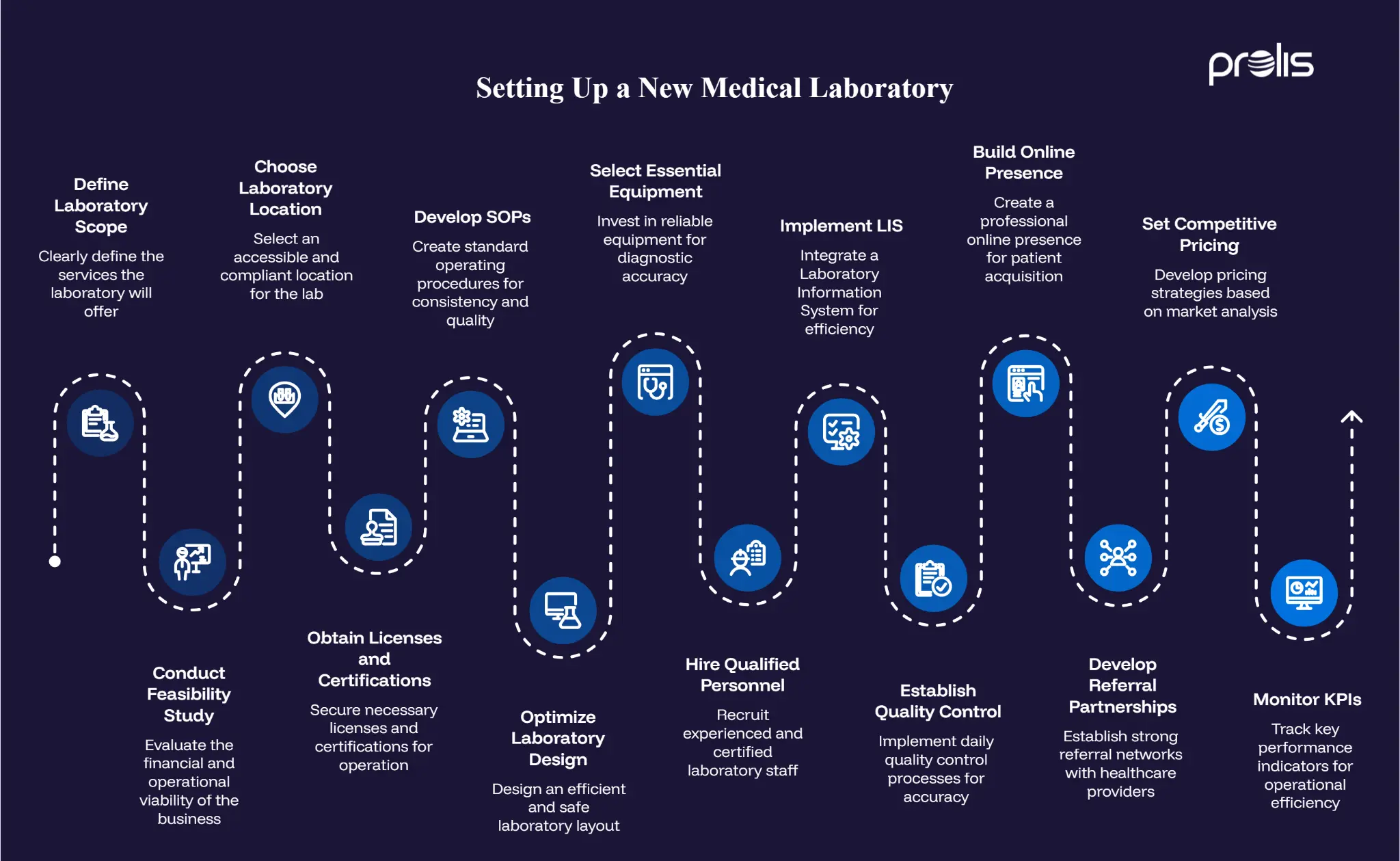
1. Planning Your Medical Laboratory Setup
Define Your Laboratory Scope and Services
Before opening your laboratory, clearly define the services you plan to offer. Different laboratory types require unique infrastructure, staffing, and equipment.
Common laboratory types include:
- Clinical Diagnostic Laboratories
- Pathology Laboratories
- Research Laboratories
- Molecular Diagnostic Labs
- Toxicology Laboratories
- Genomics & Genetic Testing Labs
Clinical laboratories typically handle:
- Blood testing
- Microbiology
- Hematology
- Biochemistry
- Immunology
- Urinalysis
If you are planning a pathology-focused facility, implementing specialized solutions such as Pathology Lab Software can significantly improve operational efficiency.
For diagnostic laboratories, adopting a scalable Clinical Laboratory Software platform is highly recommended to streamline workflows and reporting.
Conduct a Laboratory Feasibility Study
A feasibility study helps determine whether your laboratory business model is financially and operationally viable.
Key areas to evaluate include:
- Market demand and competitor analysis
- Patient demographics and healthcare needs
- Revenue potential
- Startup and operational costs
- Regulatory requirements
- Staffing requirements
- Future scalability opportunities
Understanding high-demand tests in your region can help maximize profitability and patient care quality.
Choose the Right Laboratory Location
Your laboratory location should be:
- Easily accessible for patients and healthcare providers
- Compliant with medical zoning laws
- Large enough for workflow optimization
- Suitable for future expansion
- Equipped with reliable utilities and ventilation systems
Location accessibility directly impacts patient convenience and referral growth.
2. Legal and Regulatory Compliance
Obtain Required Licenses and Certifications
Medical laboratories must comply with local and international healthcare regulations.
Important certifications and approvals may include:
- Clinical Laboratory Improvement Amendments (CLIA)
- College of American Pathologists (CAP) Accreditation
- ISO 15189 Certification
- NABL Accreditation
- State or Local Health Department Approvals
Compliance ensures patient safety, laboratory accuracy, and operational credibility.
Develop Standard Operating Procedures (SOPs)
Standard Operating Procedures (SOPs) are essential for maintaining consistency, quality, and compliance.
Your SOP documentation should include:
- Sample collection procedures
- Specimen handling and transportation
- Testing methodologies
- Equipment calibration and maintenance
- Quality control protocols
- Biohazard disposal procedures
- Data security and patient confidentiality policies
Well-documented SOPs reduce operational risks and improve accreditation readiness.
3. Laboratory Design and Layout
Optimize Laboratory Workflow
A properly designed laboratory improves efficiency, safety, and turnaround times.
Key laboratory design principles include:
Functional Zoning
Separate areas for:
- Pre-analytical processes
- Analytical testing
- Post-analytical reporting
Ergonomic Workstations
Design comfortable workspaces to reduce staff fatigue and improve productivity.
Ventilation and HVAC Systems
Install proper HVAC systems to maintain:
- Temperature control
- Humidity management
- Air filtration
- Contamination prevention
Laboratory Safety Measures
Ensure availability of:
- Emergency exits
- Fire safety systems
- Eyewash stations
- Biohazard waste disposal systems
- PPE storage areas
4. Essential Laboratory Equipment
Investing in reliable laboratory equipment is critical for operational success and diagnostic accuracy.
| Laboratory Category | Essential Equipment |
|---|---|
| General Laboratory | Centrifuges, Microscopes, Pipettes, Autoclaves |
| Hematology | Hematology Analyzers, Coagulation Systems |
| Microbiology | Incubators, PCR Machines, Culture Systems |
| Chemistry & Immunology | Biochemistry Analyzers, ELISA Readers |
| Pathology | Microtomes, Tissue Processors, Slide Stainers |
To reduce startup costs, many laboratories initially choose equipment leasing options instead of direct purchasing.
5. Staffing and Training
Hire Qualified Laboratory Personnel
Your laboratory team may include:
- Pathologists
- Laboratory Technologists
- Medical Laboratory Technicians
- Phlebotomists
- Laboratory Managers
- Quality Assurance Specialists
Ensure all personnel hold relevant certifications and licenses.
Provide Continuous Staff Training
Regular staff training helps maintain testing accuracy and compliance.
Training programs should include:
- SOP training
- Equipment operation
- Quality assurance practices
- Biosafety procedures
- New testing methodologies
- Regulatory updates
Continuous competency assessments improve overall laboratory performance.
6. Laboratory Information System (LIS) Implementation
Implementing a robust Laboratory Information System (LIS) is essential for modern laboratories.
An LIS helps laboratories:
- Manage patient records
- Track specimens and test workflows
- Automate reporting
- Reduce manual errors
- Improve turnaround times
- Integrate with EHR/EMR systems
- Ensure regulatory compliance
When selecting an LIS, consider:
- Scalability
- Cloud vs On-Premise deployment
- Instrument integration capabilities
- Multi-location support
- Security and compliance features
- Custom reporting options
A properly implemented LIS significantly improves laboratory efficiency and profitability.
7. Quality Control and Quality Assurance
Establish Quality Control Procedures
Daily quality control processes are essential for accurate diagnostics.
Recommended QC practices include:
- Running control samples daily
- Monitoring instrument calibration
- Maintaining QC documentation
- Tracking corrective actions
- Participating in proficiency testing programs
Prepare for Audits and Accreditation
Regular internal audits help laboratories maintain compliance and accreditation readiness.
Best practices include:
- Annual compliance reviews
- Staff competency evaluations
- Documentation audits
- Inspection preparation exercises
Maintaining accreditation builds trust with healthcare providers and patients.
8. Marketing and Patient Acquisition
Build a Strong Online Presence
A professional online presence helps attract patients and referral partners.
Key digital marketing strategies include:
- Creating an SEO-optimized lab website
- Publishing educational healthcare content
- Optimizing for local SEO keywords
- Listing on Google Business Profile
- Managing online reviews and reputation
Target search terms such as:
- Diagnostic laboratory near me
- Clinical lab services
- Pathology laboratory
- Medical laboratory testing
Develop Referral Partnerships
Strong referral networks are essential for laboratory growth.
Partner with:
- Hospitals
- Clinics
- Physicians
- Healthcare groups
- Urgent care centers
Providing seamless electronic ordering and reporting improves referral retention.
9. Financial Planning and Sustainability
Set Competitive Pricing
Develop pricing strategies based on:
- Competitor pricing analysis
- Operational costs
- Insurance reimbursement rates
- Test complexity
Offering bundled testing packages can improve patient affordability and revenue generation.
Monitor Laboratory KPIs
Track important lab performance indicators such as:
- Test turnaround time
- Error rates
- Revenue per test
- Sample rejection rates
- Customer satisfaction
- Instrument downtime
Monitoring KPIs helps improve operational efficiency and profitability.
Final Checklist Before Launching Your Lab
Before officially opening your laboratory, ensure the following are completed:
✅ Verify all licenses and certifications
✅ Test all laboratory equipment
✅ Validate software and LIS systems
✅ Train staff on SOPs and safety procedures
✅ Set up billing and reporting systems
✅ Conduct a soft operational launch
✅ Verify quality control workflows
✅ Establish patient support channels
Collecting patient and physician feedback after launch can help optimize operations and service quality.
Conclusion
Setting up a new medical laboratory requires careful planning, regulatory compliance, qualified staffing, reliable equipment, and modern lab technology.
By following a structured setup process and implementing scalable systems such as a Laboratory Information System (LIS), your lab can deliver accurate diagnostics, improve patient outcomes, and achieve long-term operational success.
Working with laboratory consultants, compliance experts, and healthcare technology providers can further streamline your laboratory setup journey.
Frequently Asked Questions (FAQs)
How long does it take to set up a medical laboratory?
Setting up a medical laboratory typically takes between 3 to 6 months depending on construction, licensing, staffing, and equipment procurement timelines.
What is the average cost of starting a diagnostic laboratory?
The startup cost for a diagnostic laboratory can range from $50,000 to over $500,000 depending on lab size, equipment, services offered, and location.
Can I open a lab without a pathologist?
Most countries require laboratories to operate under the supervision of a certified pathologist or qualified labo director.
What certifications improve laboratory credibility?
Popular laboratory accreditations include:
- ISO 15189
- CLIA
- CAP Accreditation
- NABL Accreditation
These certifications improve compliance, trust, and healthcare partnerships.